x
E
F
S
A
N
E
M
E
T
A
L


Articles
Key Points in Industrial Cabinet Design
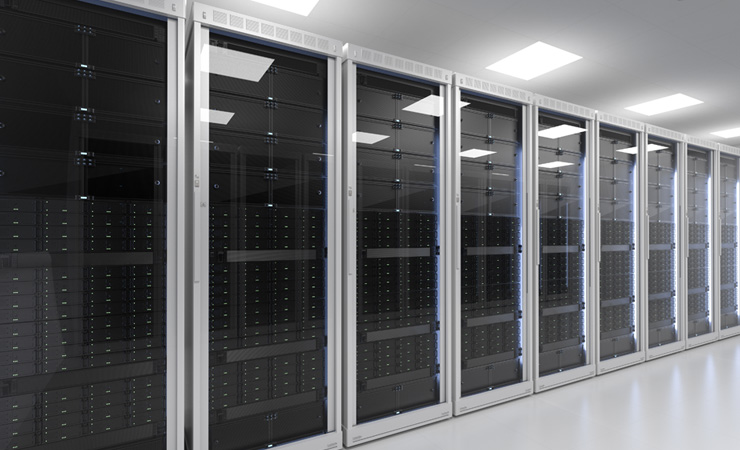
Industrial cabinets play a critical role in housing and protecting electrical, electronic, and automation systems safely. Therefore, the design of a cabinet should be handled meticulously not only in terms of aesthetics but also in terms of functionality, durability, and ease of use.
A well-designed cabinet facilitates the installation process and supports the efficient operation of systems. Factors such as material selection, air circulation, accessibility, and cable management should be considered during this process.
Functional and Safe Design
The most important feature of an industrial cabinet is to provide a long-lasting and safe working environment by protecting the systems inside from external factors. Therefore, the IP protection rating, impact resistance, and dust/moisture insulation should be considered during the design phase.
Additionally, hinged doors, locking systems, and modular internal layouts should be preferred for easy maintenance and intervention. User ergonomics offers advantages for both installation and daily use.
Cooling, Cable Management, and Flexibility
Air circulation is vital for the healthy operation of electronic equipment. Therefore, ventilation grilles, fan units, or air conditioning systems should be considered in the cabinet design. Additionally, cable ducts and connection points must be properly positioned to ensure cables are routed neatly and securely.
Key elements in industrial cabinet design include:- Selection of appropriate materials and sheet thickness
- IP protection rating and resistance to external factors
- Internal environment control with fans, filters, or air conditioning
- Organized internal structure for cable management
- Design providing modularity and ease of maintenance